 Your post is being uploaded. Please don't close or refresh the page.


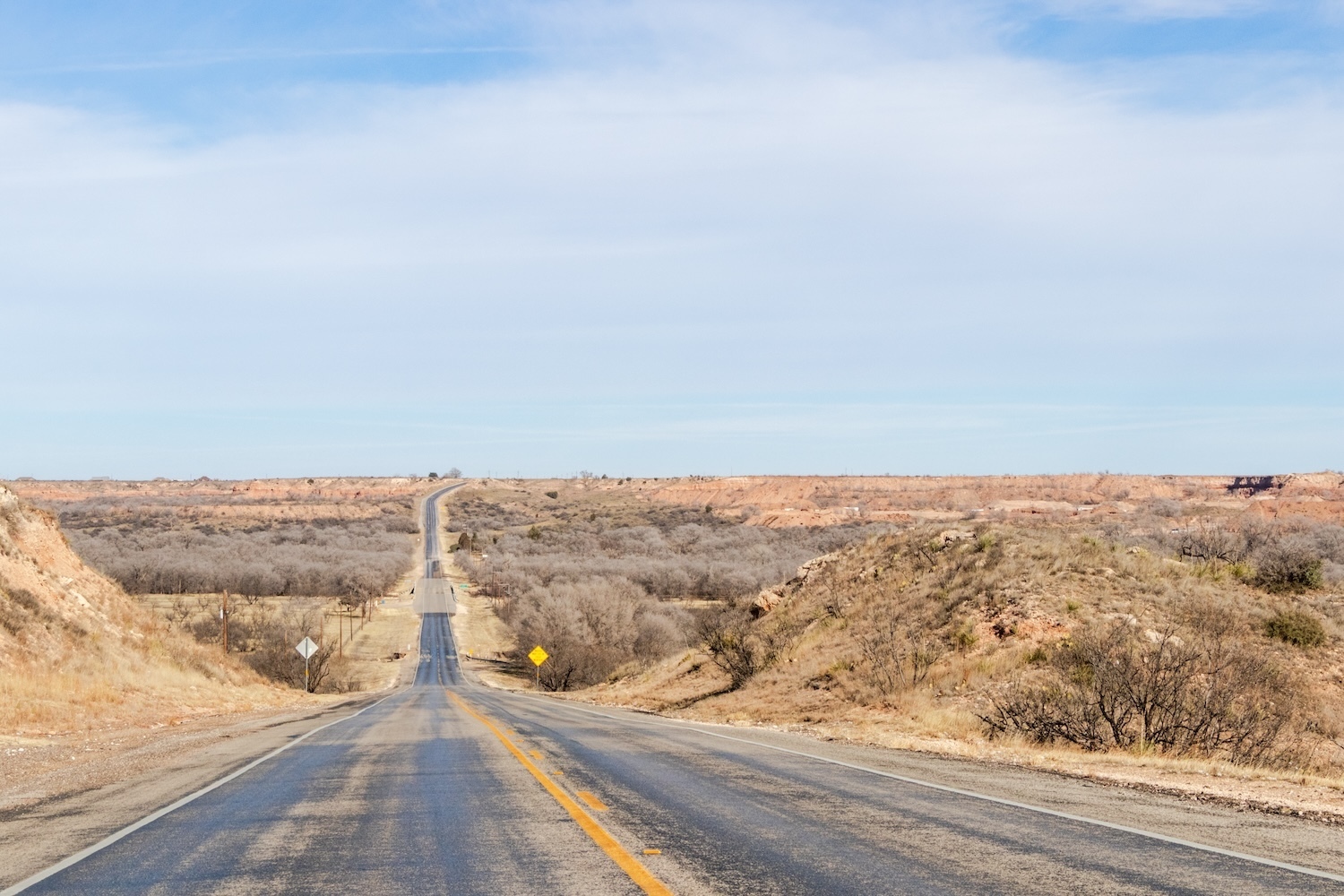
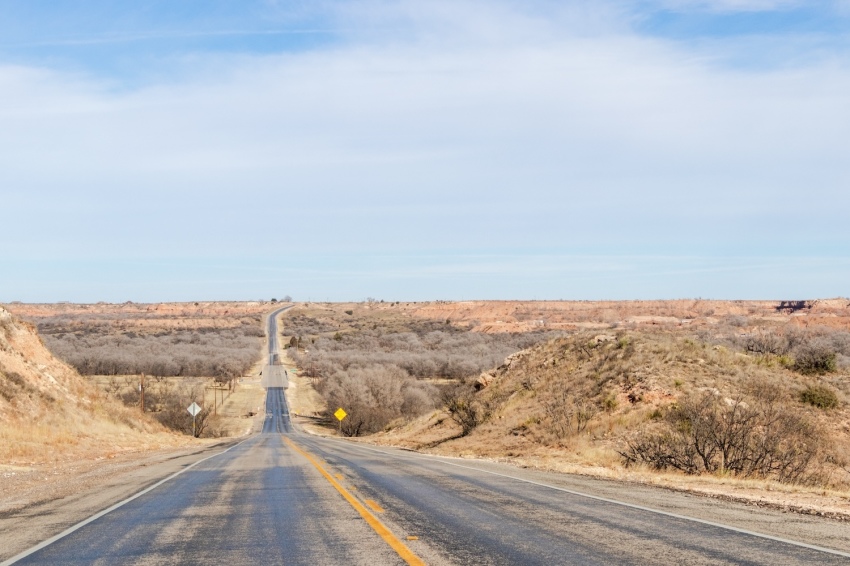
LUBBOCK, Texas — In northwest Texas, the geography and climate of the High Plains have always imposed discipline.
Early settlement on this flat, dry and exposed tableland — known as the Llano Estacado — depended on ranching practices that conserved scarce water and crops suited to an unforgiving climate. Lubbock developed within those constraints and continues to reflect them.
The clearest articulation of this history is the National Ranching Heritage Center.
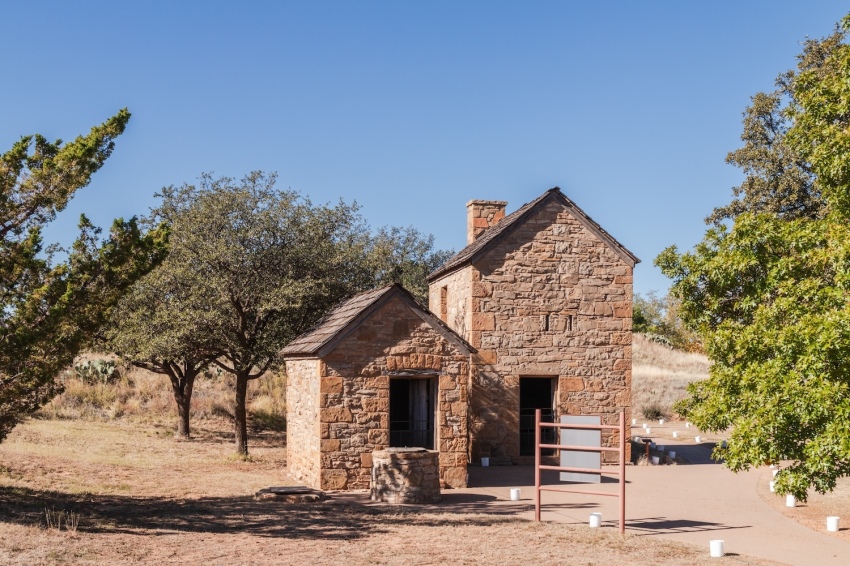
Covering 27 acres, the center is an open-air museum composed of more than 50 original structures arranged chronologically. Together, the buildings document nearly two centuries of Texas ranching history. Exhibits focus on fencing technology, windmill engineering, herd management and land tenure. The narrative is economic and environmental rather than nostalgic.
Cotton once dominated the surrounding landscape. Over time, much of that acreage has given way to viticulture.
So much so that Lubbock (population 257,141 souls) can rightfully claim the title of Texas’s wine capital. The surrounding appellation, the Texas High Plains AVA, produces more than 80% of the grapes used in Texas wine production.
Vineyards here sit at approximately 3,000 feet above sea level. The climate, marked by roughly 277 days of sunshine, cool nights and low humidity, is well-suited to grape growing. Riesling, particularly in a dry style, has emerged as one of the region’s most reliable white wines. Among reds, growers lean towards tempranillo, mourvedre and sangiovese, though better-known cabernet sauvignon is widely planted.
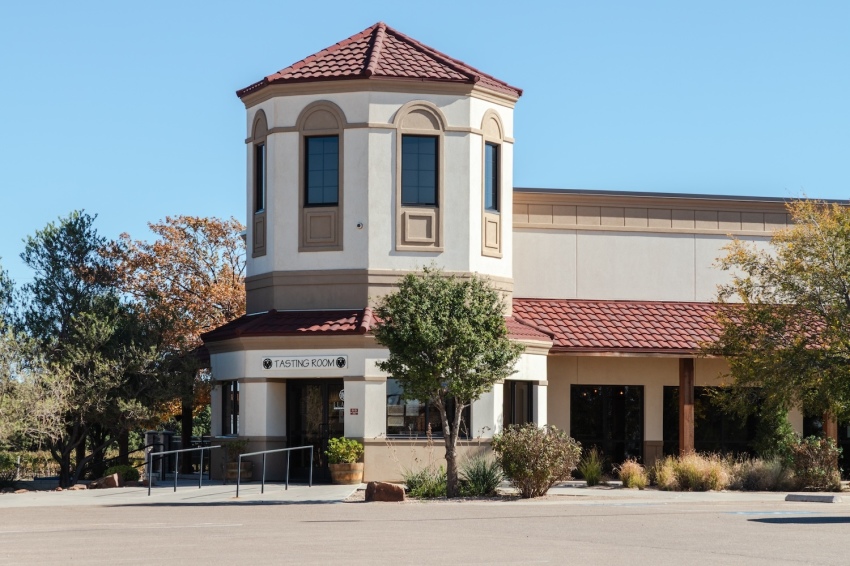
While Texas wine is very much a thing, details do matter. If a label doesn’t list the High Plains or the Hill Country — another AVA-recognized Texas appellation — it’s worth moving on to something else. Some producers sell “American wine,” a designation that allows grapes to be sourced from anywhere in the country.
Underpinning everything is Texas Tech University.
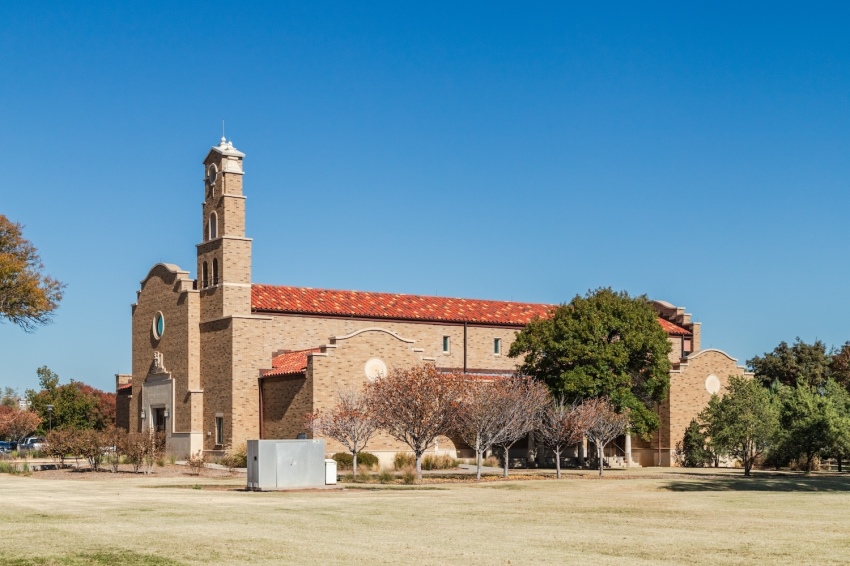
Founded in 1923, the campus is notable for its consistent architectural language, which draws inspiration from the Plateresque Spanish Renaissance style. Pale masonry, tiled roofs and decorative reliefs adapted from 16th-century Spanish precedents give the sprawling campus a coherent identity, loosely referencing the Spanish chapter of Texas history rather than borrowing from Eastern collegiate models.
One of Lubbock’s most celebrated figures remains Buddy Holly, though his role today is that of a historical figure rather than living memory.
Born Charles Hardin Holley in 1936, he grew up in a Baptist household where hymns and gospel music formed an early musical foundation. His success was brief. At 22, Holly was killed in a plane crash alongside two other musicians, an event later memorialized by Don McLean as “the day the music died” in the song “American Pie.”
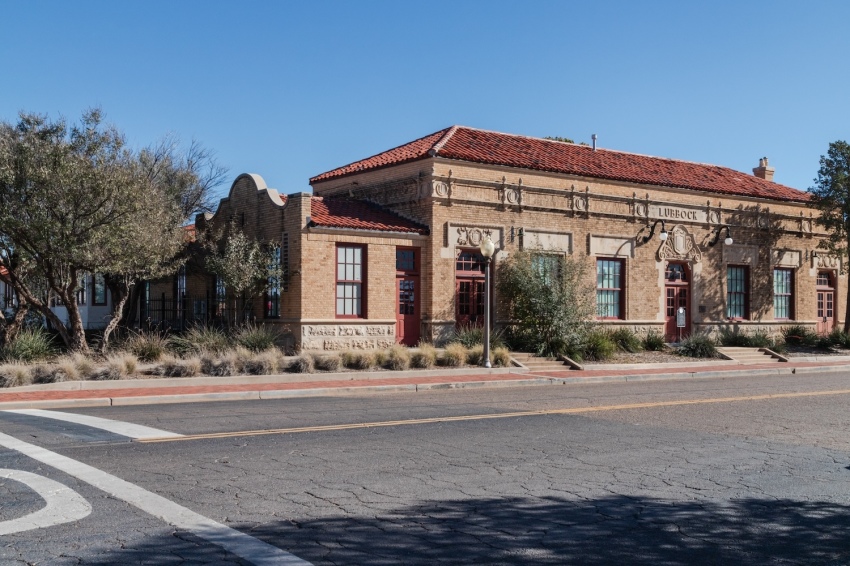
Downtown, a former railway depot houses the Buddy Holly Center. The building’s Spanish-influenced architecture echoes that of the Texas Tech campus. Inside are instruments, recordings, and personal artefacts that place Holly within the cultural and religious environment that shaped him.
If you go
Lubbock’s airport is served daily by Southwest, American and United. By car, the drive from Dallas or Oklahoma City takes about five hours; Colorado Springs is roughly seven hours away.
English Newsom Cellars and Llano Estacado Winery are among the region’s most prominent producers. Both operate tasting rooms a short drive from the city. At English Newsom, try the light-bodied picardan. This little-planted grape was historically a blending grape in the south of France.
The National Ranching Heritage Center is open daily, except on holidays, from 10 a.m. to 5 p.m. Monday through Saturday and 1 p.m. to 5 p.m. on Sunday. Admission is free.
The Museum of Texas Tech University is modest in size but notable for its planetarium and collections in anthropology, natural science and art. It is open 10 a.m. to 5 p.m. Tuesday through Saturday and 12 p.m. to 5 p.m. on Sunday. There’s no charge to visit.
The Buddy Holly Center is open Tuesday through Saturday from 10 a.m. to 5 p.m., and Sunday from 1 p.m. to 5 p.m. A modest admission fee is charged.
For lodging, consider the Cotton Court Hotel, a boutique-style property under the Valencia brand. The 165-room hotel near the Texas Tech campus sits across the street from the cathedral-like First United Methodist Church and within walking distance of Episcopal, Church of Christ, Disciples of Christ and Roman Catholic churches. For a more typical hotel experience, the Overton Hotel is effectively a local version of a Hilton or Marriott.
Dennis Lennox writes a travel columnfor The Christian Post.
Dennis Lennox writes about travel, politics and religious affairs. He has been published in the Financial Times, Independent, The Detroit News, Toronto Sun and other publications. Follow @dennislennox on Twitter.
News Source : https://www.christianpost.com/news/travel-beyond-the-campus-in-lubbock.html