 Your post is being uploaded. Please don't close or refresh the page.


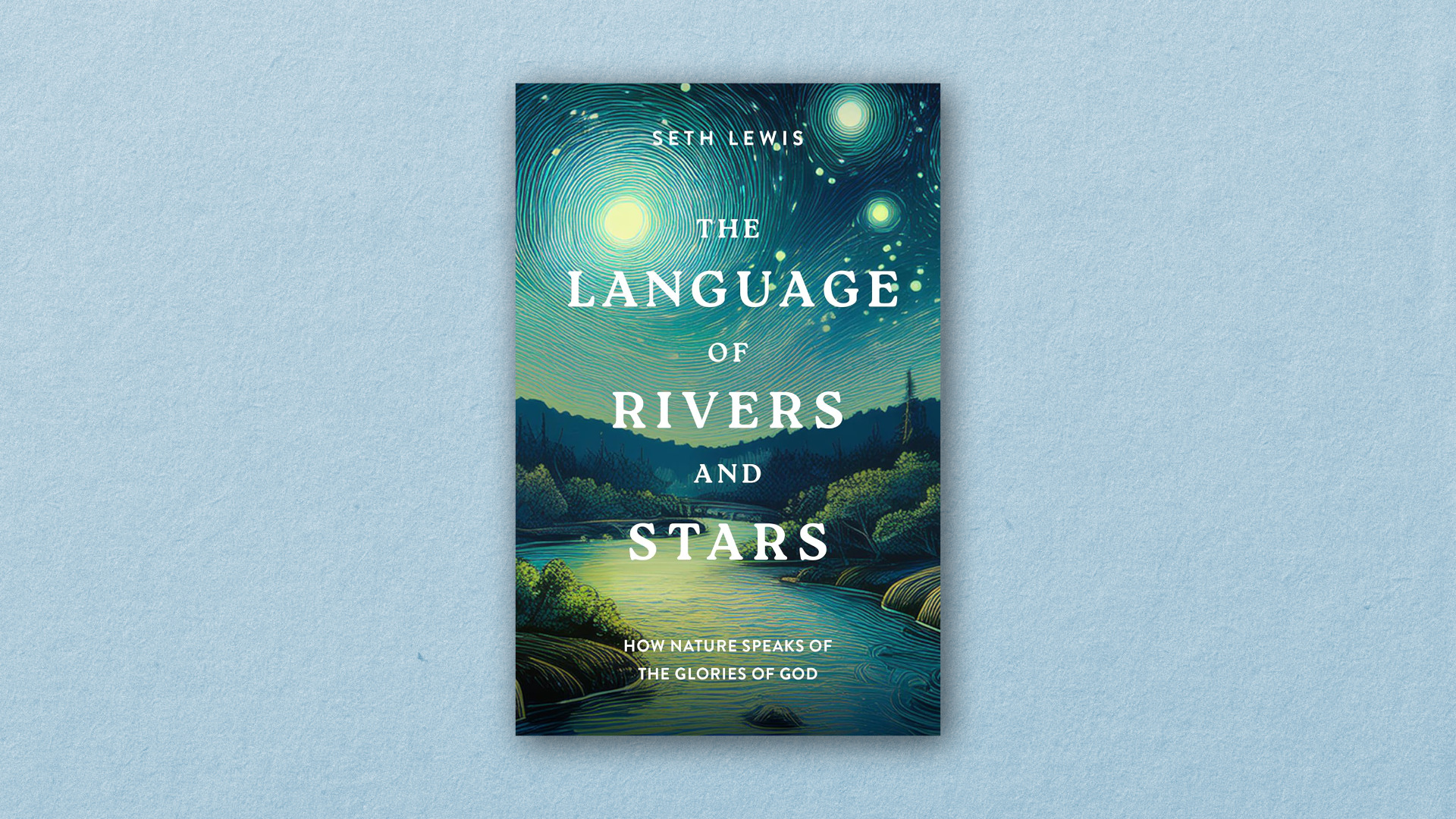
When God told Abraham to go and number the stars (Gen. 15:5), he set him a deliberately impossible task. Today, light pollution makes such counting remarkably simple because there are fewer stars visible to the naked eye. But it’s not only pollution that hides creation’s grandeur from us; many of us would rather stare at screens than step outside and marvel at God’s creation.
Our lack of exposure to creation is a tragedy. We’re missing the breathtaking spectacles crafted by the Maker of the universe. That’s why, as Seth Lewis reminds us in The Language of Rivers and Stars: How Nature Speaks of the Glories of God, we’re “haunted by this powerful feeling that the world is speaking something deeply meaningful to us” (15). Creation is declaring God’s glory and revealing something of his nature to us (Ps. 19:1).
“Everything God has made is speaking to us,” argues Lewis, pastor of Carrigtwohill Baptist Church in Ireland. Creation is “telling us truth we really need to know” (16). Thus, we must become competent listeners and interpreters of God’s language in creation so we may experience his glory and worship him rightly.
Importance of General Revelation
Evangelicals rightly prize Bible-believing and Bible-expounding churches. This is a blessing not to be taken for granted. Yet many of us ignore the messages God sends us every day through his creation. It’s time we changed that.
The special revelation of Scripture is sufficient for our salvation and tells us all we need to know about God, yet it doesn’t contain all God intends to communicate to us. Lewis argues, “Before God communicated to us in our language of words, he first had to communicate to us in his language of realities” (23).
The special revelation of Scripture is sufficient for our salvation and tells us all we need to know about God, yet it doesn’t contain all God intends to communicate to us.
God could have merely stated that he’s powerful, and we’d be obliged to believe him. That’s why general revelation is a testament to God’s grace. As Lewis observes,
How would we know what the words meant without some kind of real, tangible experience of power and provision? What is power? What is provision? By making a sun for us, God gave us the ability to understand what he means. . . . With a sun above us, we immediately recognise the realities that those words represent. (22–23)
General revelation doesn’t displace or replace Scripture; it enhances our understanding of it. We can’t fully comprehend the meanings of the words of Scripture without it. We need to see healthy trees to appreciate what the righteous man is like (Ps. 1:3). We need some knowledge of the way pruning affects fruit production to understand Jesus’s statements about the vine and the branches (John 15:1–11).
But even without access to Scripture, general revelation communicates something valuable. It makes known to everyone, believers and nonbelievers alike, God’s invisible attributes. As the apostle Paul claims, the language of creation is so clear that it leaves us without excuse (Rom. 1:20).
Misreading General Revelation
Conviction about general revelation is one thing; competent interpretation is another. Immediately, we face the distortions caused by sin.
Our sin tempts us toward fanciful allegories or misguided interpretations of general revelation. This is why immersion in Scripture is essential. Scripture is the grammar that unlocks creation’s language and provides the doctrinal boundaries necessary for right interpretation.
For instance, we might wrongly assume from the dynamism of the natural world and how species adapt in response to change that God, too, responds and adapts to change, as some open theists claim. Yet Scripture repeatedly tells us that God is immutable (Mal. 3:6; James 1:17), thus we can be assured that in this crucial regard, God is utterly unlike his creation.
Additionally, in our readings of creation, Lewis argues, “our language is descriptive, not creative” (23). We don’t create meaning as we interpret creation; we merely describe what God reveals to us in creation through the lens of Scripture.
Even when we’re equipped to interpret general revelation well, our attention is disordered. Sin tempts us to neglect reading creation in the first place. We’re captivated by screens that divert us away from what God has made. This makes it harder for us to rightly interpret what God shows us.
Learn to Read Again
Thankfully, Lewis not only identifies the problem but also provides helpful advice to overcome it.
The first step is getting exposure to the world God has made. Lewis observes, “Every moment you are in God’s world is an opportunity to listen to his voice in creation” (51). This can be accomplished by putting on boots and going for a walk, whether in a neighborhood park or a rugged wilderness.
Exposure to creation is easier than we often think. We’re not meant to look only at the postcard-worthy views. We need the whole counsel of creation. God speaks through soaring vistas, through towering forests, and through “the wastelands, the crows, and the nettles” (54). Each part of creation tells us something about God—even if it’s merely reminding us that this isn’t the way things were meant to be. As we see more of creation, we get more practice in interpreting it well.
Scripture is the grammar that unlocks creation’s language and provides the doctrinal boundaries necessary for right interpretation.
The ultimate goal of reading creation is the worship of the Creator. Yet this is where a great deal of danger lies, because our human tendency is to exchange the truth about God for a lie and worship and serve the creation rather than the Creator (Rom. 1:25). Lewis intentionally steers readers away from that folly.
Yet we shouldn’t allow the risk of overemphasizing the goodness of God’s creation to keep us from joining with creation in worshiping the Creator. Lewis reminds readers, “The innumerable, expanding galaxies declare every night that the glory of their Maker is more limitless than the entire universe he made.” Furthermore, all creation is praising God, and we “can join [our voices] to the symphony of all things and declare with all of creation the excellence of God’s wisdom” (160).
Light pollution may be making it harder for many of us to see the stars, but they still declare the glories of God. The Language of Rivers and Stars reminds Christians to open our eyes to the wonders around us and join with creation in praising the God who made it all.
News Source : https://www.thegospelcoalition.org/reviews/language-rivers-stars/