Last reviewed and updated July 2026. Scripture quotations are from the English Standard Version (ESV) unless noted.
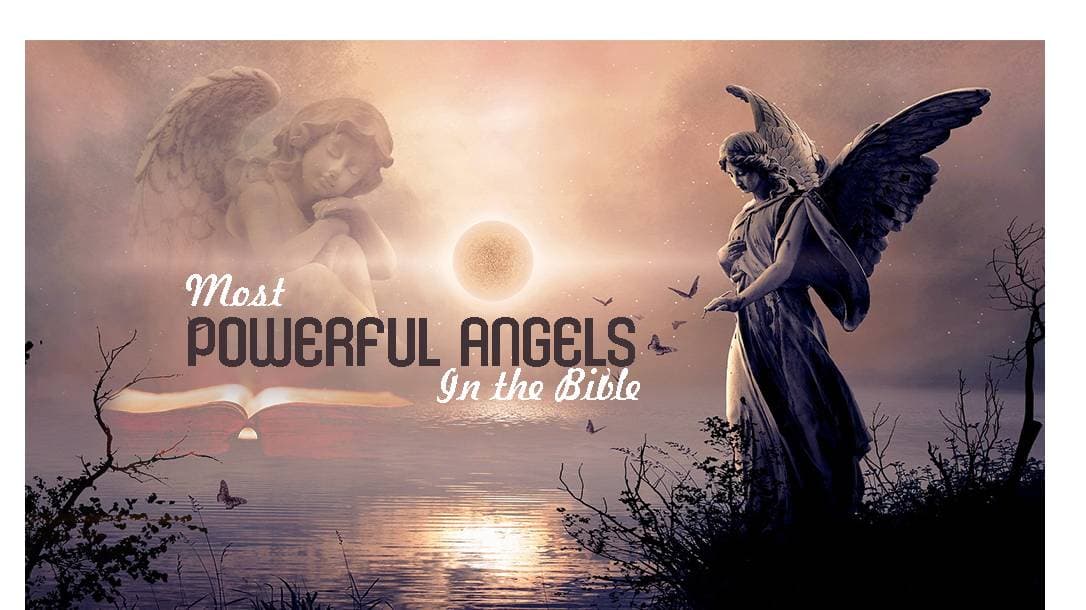
Who is the most powerful angel in the Bible?
The short answer: Michael the archangel. Michael is the only angel Scripture directly calls "the archangel" (Jude 1:9), he leads the armies of heaven against Satan (Revelation 12:7-9), and he stands guard over God's people (Daniel 12:1). When people ask who the strongest angel in the Bible is, Michael is the clearest biblical answer.
That said, "most powerful" is worth handling carefully. Angels are mighty, but their power is always borrowed. Every angel in Scripture is a created servant who exists to carry out the will of God (Psalm 103:20-21). Below we walk through the angels named or clearly described in the Bible, and then, honestly labeled as such, a few figures that come from church tradition and apocryphal writings rather than the Protestant canon.
What angels actually do in the Bible
Angels are spiritual beings created by God to serve Him and carry out His purposes. They are not physical, though they sometimes appear in human form when they interact with people (Hebrews 13:2). Scripture shows them in four main roles:
- Messengers. They deliver God's word to people, as when Gabriel told Mary she would give birth to Jesus (Luke 1:26-38).
- Protectors. They guard God's people, as when an angel shut the lions' mouths to save Daniel (Daniel 6:22).
- Worshipers. They praise God continually, like the seraphim in Isaiah's vision (Isaiah 6:1-3).
- Warriors. They fight against evil, with Michael leading the battle against Satan (Revelation 12:7).
Two guardrails the Bible itself gives us: we are not to worship angels (Colossians 2:18; Revelation 22:8-9), and we test every spiritual message against Scripture, because "even Satan disguises himself as an angel of light" (2 Corinthians 11:14). Angels point us to Christ; they are never the point.
Angels named in Scripture
1. Michael the archangel: the chief warrior angel
Michael is the leader of the heavenly armies, fighting evil and defending God's people. He is the strongest angel named in the Bible.
Where he appears: Revelation 12:7-9 (leads the heavenly army that casts Satan out of heaven), Daniel 10:13 and 12:1 (one of the chief princes, guardian of God's people), and Jude 1:9 (contends with the devil over the body of Moses).
Why he matters: Michael is a picture of strength under authority. Even when disputing with the devil, he does not rely on his own power but says, "The Lord rebuke you" (Jude 1:9). He reminds us that the battle belongs to God, and that God's people are guarded.
2. Gabriel: the messenger of God
Gabriel is God's trusted messenger. Whenever he appears, it is to deliver news that changes history.
Where he appears: Daniel 8:16 and 9:21 (explains visions to Daniel), Luke 1:19 (announces the birth of John the Baptist to Zechariah), and Luke 1:26-38 (tells Mary she will give birth to Jesus).
Why he matters: Gabriel shows that God still speaks, guides, and keeps His promises. His messages consistently point forward to salvation in Christ.
3. The seraphim: the fiery worshipers
The name seraphim means "burning ones." They stand in the very presence of God.
Where they appear: Isaiah 6:1-7. Isaiah sees them around God's throne, each with six wings, calling out, "Holy, holy, holy is the Lord of hosts; the whole earth is full of his glory."
Why they matter: The seraphim reveal God's absolute holiness. When one touches Isaiah's lips with a burning coal, it shows God's desire to cleanse and commission His people. They call us to wholehearted worship.
4. The cherubim: the guardians of sacred spaces
Cherubim are guardian beings associated with God's holiness and throne.
Where they appear: Genesis 3:24 (placed with a flaming sword to guard the way to the tree of life after Eden), Ezekiel 10:1-22 (attending God's throne-chariot), and Exodus 25:18-22 (their golden images overshadow the mercy seat of the ark).
Why they matter: The cherubim teach us that God's presence is holy and must be approached on His terms. It is grace that a way back to that presence has now been opened through Jesus (Hebrews 10:19-20).
5. The Angel of the Lord: a unique divine messenger
The Angel of the Lord is one of the most striking figures in the Old Testament. At times He speaks and acts as God Himself, which is why many Christians understand these appearances as a pre-incarnate showing of the Son.
Where He appears: Exodus 3:2-6 (the burning bush, where He is identified with the Lord), Judges 6:11-24 (commissions Gideon), and Genesis 22:11-12 (stops Abraham from sacrificing Isaac and provides a ram).
Why He matters: These accounts show a God who steps directly into human history to guide, rescue, and reassure. Note that Scripture itself does not give this angel a personal name; later traditions sometimes attach names, but the Bible simply calls Him the Angel of the Lord.
6. The angel at the empty tomb: the announcer of the resurrection
An unnamed angel plays a pivotal role in the most important event in history.
Where he appears: Matthew 28:2-6. "An angel of the Lord descended from heaven and came and rolled back the stone and sat on it," then told the women, "He is not here, for he has risen, as he said."
Why he matters: This angel does not simply move a stone; he proclaims the victory of Christ over death. His message is the foundation of Christian hope (1 Corinthians 15:20).
Angels from church tradition and apocryphal writings
The following names are widely known and often included in "angel" lists, but they do not appear in the 66 books of the Protestant Bible. Some come from the deuterocanonical books (part of the Catholic and Orthodox canons) or from apocryphal texts like 1 Enoch. We include them for completeness and label them plainly, so you can tell the difference between what Scripture teaches and what tradition adds.
7. Raphael: the angel of healing (deuterocanonical)
Raphael appears in the Book of Tobit, part of the Catholic and Orthodox deuterocanon but not the Protestant Old Testament. In that account he guides Tobias and heals Tobit's blindness. He is remembered as a figure of God's care and healing. Christians who hold to the 66-book canon do not treat Tobit as Scripture, so Raphael is best understood as a traditional rather than a biblical angel.
8. Uriel: the angel of wisdom (apocryphal)
Uriel is not named in the canonical Bible at all. He features in 1 Enoch and other apocryphal writings as a guide who explains heavenly mysteries. He is a good example of how much popular "angel lore" comes from outside Scripture.
9. Zadkiel: the angel of mercy (tradition)
Zadkiel is not named anywhere in the Bible. A later Jewish tradition identifies him as the angel who stopped Abraham from sacrificing Isaac, but the biblical text (Genesis 22:11-12) simply says it was "the angel of the Lord." Zadkiel belongs to tradition, not to Scripture.
10. Phanuel: the angel of repentance and hope (apocryphal)
Phanuel appears in 1 Enoch, where he is associated with repentance and with turning people back to God. Like Uriel, he is drawn from apocryphal literature rather than the canonical Bible.
The angelic hierarchy: what Scripture does and does not say
The Bible hints at order and rank among angels without giving us a full organizational chart. It clearly names:
- Archangel (Michael), a leading figure among the angels (Jude 1:9).
- Seraphim, fiery worshipers around the throne (Isaiah 6).
- Cherubim, guardians associated with God's holiness (Genesis 3:24; Ezekiel 10).
Paul also refers broadly to "thrones or dominions or rulers or authorities" in the unseen realm (Colossians 1:16). The elaborate nine-rank hierarchies you sometimes see online come largely from medieval theologians, not directly from the biblical text. Where Scripture is quiet, it is wise for us to be humble.
A word of caution and encouragement
Angels are real, powerful, and active in God's plan. But the Bible never invites us to seek angels, pray to angels, or build our faith around them. It invites us to worship the God they serve. When you read these accounts, let them do what they were meant to do: lift your eyes to Jesus Christ, the one whom "all God's angels worship" (Hebrews 1:6).
Faith grows best in community. Whether you are a church leader, a business owner, or part of a ministry or small group, ActsSocial is a faith-centered space to grow, connect, and encourage others in the Scriptures. Explore it for churches, local businesses, community groups, and national and international ministers.
Frequently asked questions
1. Do angels have free will?
The Bible does not give a detailed answer to this, but it suggests that angels, like humans, were created with the ability to choose. Some angels, like Lucifer, chose to rebel against God, while others, like Michael and the archangels, chose to remain faithful to Him. Therefore, while angels may have been created with free will, they are also perfectly aligned with God’s purpose and will.
2. How can I invite angels into my life?
While we are not to worship angels, the Bible encourages us to pray to God for His protection, guidance, and intervention. Angels respond to God’s commands, so instead of focusing directly on angels, Christians are called to trust in God's will and ask for His help. Angels may act in response to God’s answer to your prayers, but their work is always in alignment with His purposes.
3. Do angels interact with humans today?
While angels are not as visibly active today as they were in biblical times, many people believe that angels continue to intervene in subtle ways, offering protection, guidance, or even delivering messages in times of need. However, their role is still to serve God and point people to His truth.
4. Are all angels good?
While many angels are depicted as good and faithful servants of God, not all angels are. Some angels, like Satan and his fallen angels, rebelled against God and became demons. The Bible makes it clear that there is a distinction between good angels, who serve God, and evil angels, who oppose His will.
5. Who is the most powerful angel in the Bible?
Michael the archangel is the only angel Scripture explicitly calls "the archangel" (Jude 1:9). He leads God's heavenly armies and casts Satan out of heaven (Revelation 12:7-9), and he stands guard over God's people (Daniel 12:1) — which is why he is most often identified as the most powerful angel named in the Bible.

50+ Bible Verses on Thanksgiving and Gratitude: Inspiring Ways to Thank God Daily
Table of Contents Why Practicing Thanks Giving Matters in Christianity Why Gratitude and Thanksgiving Matter Bible Verses on Thanks Giving and Gratitude 1. Thanks Giving in All …